Mostrando entradas con la etiqueta Inquiry. Mostrar todas las entradas

martes, 2 de julio de 2019

Ancient Civilizations' Geography

The development of civilization is affected by geography. Rome did not spring into being as a power on the Italian peninsula.  It began as a tiny village along the Tiber River.  It was an excellent location, with seven hills offering a natural defensive barrier. The Tiber River gave these early settlers access to fresh water for drinking and bathing, as well as a waterway for trade, and food to eat. The flatland, on the other side of the Tiber River, was perfect for farmland. The soil was good so crops could be grown easily.

Rome as a Kingdom
 
Rome as an Empire


The ancient civilization of Greece was located in southeastern Europe along the coast of the Mediterranean Sea. The geography of the region helped to shape the government and culture of the Ancient Greeks. Geographical formations including mountains, seas, and islands formed natural barriers between the Greek city-states and forced the Greeks to settle along the coast. 
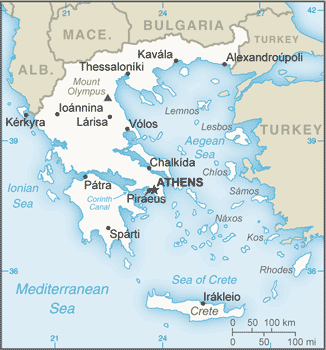


Have a look at some important words to understand these maps: CLICK HERE

viernes, 3 de mayo de 2019

Towards the Final Assessment


Let's load a new software into our brains with this unit!
Thinking about the central idea "Energy moves and produces changes in the universe" you will write a non-fiction book as a final assessment activity.

HOW?

Follow these steps:

1. Show the inquirer you are by creating 5-6 questions about the unit. What would you like to know?
Resultado de imagen para lupa
2. Choose one of the following topics to investigate what it is like
  1. Energy (we will cover this broad topic in class)
  2. Big Bang Theory & other theories.
  3. Planets and new planets.
  4. Galaxies and constellations.
  5. Satellites: Natural and artificial.
  6. Earth movement: rotation (make connections to time & how we live).
  7. Earth movement: revolution (make connections to time & how we live)
  8. Stars (& the sun)
  9. Eclipses (solar & lunar)
  10. Phases of the Moon (related concepts).
  11. Meteors, meteoroids,  and meteorites (comets & asteroids).

3. Brainstorm about the topic you chose and decide the specific aspects you will investigate. What is my topic about? How much do we want to find out? How are we going to do it?
Design an investigation plan.
Resultado de imagen para brainstorming

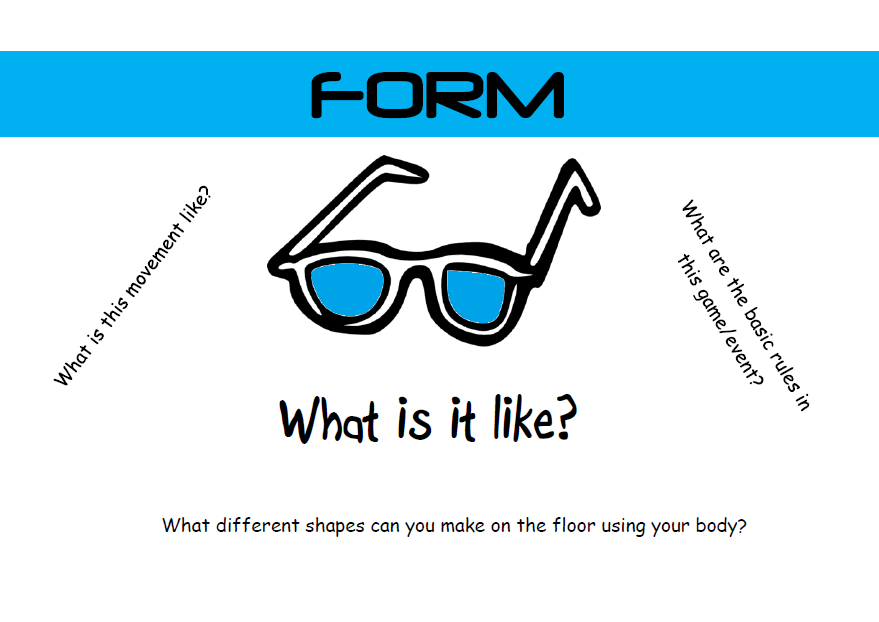
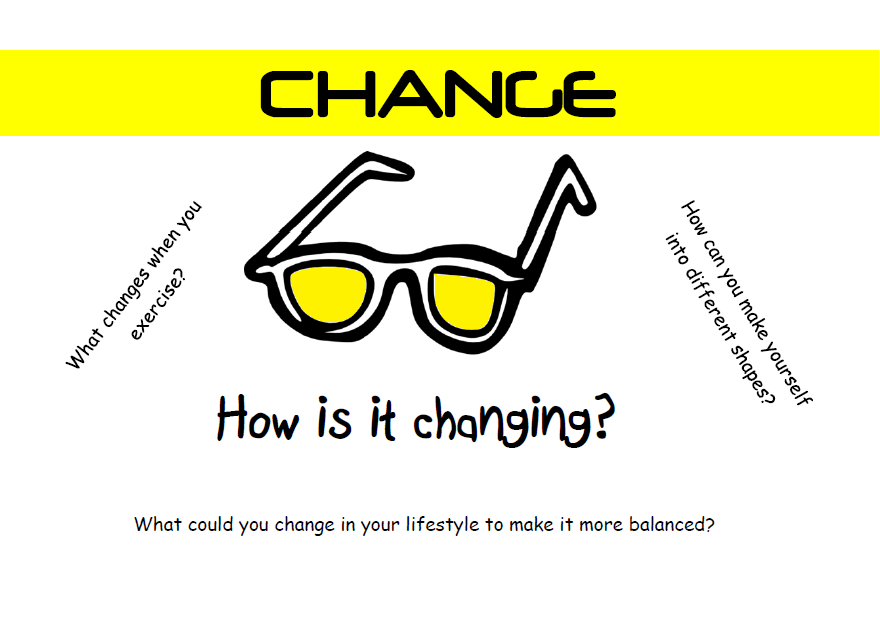
4. Develop and answer your questions by using at least 3 sources of information. Remember to write the name of the source each time. Mention at least 3 aspects: What is your topic like? (FORM), Why is it like this? (CAUSATION), How does it change? (CHANGE)

Resultado de imagen para dictionary drawing

4. Create a vocabulary list related to your topic (mini dictionary)
Resultado de imagen para dictionary drawing

5. Create your book. Make sure to include illustrations and all its parts:
- Cover
- Table of Contents
- Introduction
- What is my topic like?
- Why is my topic like this?
- How does it change?
- Conclusion
- Back cover

lunes, 22 de abril de 2019

To infinity and beyond!


Transdiciplinary theme:
Resultado de imagen para how the world works pyp


CENTRAL IDEA:
Energy moves and produces changes in the universe.
LINES OF INQUIRY:

Different types of energy (FORM)
Energy is in constant transformation (CHANGE)
Elements in space move and have an effect on Earth.(CAUSATION)

Imagen relacionada

Resultado de imagen para form PYP

Resultado de imagen para CAUSATION PYP
Imagen relacionada


viernes, 29 de marzo de 2019

The UN

The United Nations.

Resultado de imagen para the united nations

What is the United Nations? What do they do? Who works there? Watch the following video to learn more about it.

How does the United Nations work?

lunes, 18 de marzo de 2019

The Writing Process

The writing process is a set of steps that writers use to help them plan, organize, and complete writing assignments. You can find different ways of describing these steps. Click on the image to read about each step.


miércoles, 13 de marzo de 2019

Universal rights protect all children

Resultado de imagen para universal rights


This is a wonderful audio book about children's rights and responsibilities. We invite you to listen and read! 


Macronutrients and Micronutrients

What can we find in the food we eat? Take a look at the following webpages to find out more. Macronutrients: proteins, carbs, fats. ...